For those considering their treatment options, understanding these implications is crucial. Although alcohol consumption doesn’t cause rhinophyma, excessive drinking can exacerbate the condition. Alcohol use disorder is known to trigger rosacea flare ups and worsen red nose alcohol the appearance of the skin on the nose by dilating blood vessels and contributing to chronic inflammation. Heavy drinking can cause enlarged blood vessels, leading to the visible redness that characterizes the alcoholic nose.
- Keeping a diary of flare-ups and potential triggers can help pinpoint what environmental factors contribute to your symptoms.
- However, the existing evidence suggests that while alcohol may influence the severity of rhinophyma, it should not be viewed as the root cause of the condition.
Comprehensive Recovery Support
- Understanding these effects is vital for individuals considering treatment, as addressing both psychological and physiological aspects is essential for recovery.
- Though alcohol use does not cause rosacea or red nose, it can make symptoms worse.
- The medical term for this condition is actually known as rhinophyma, and there is no known link between alcohol and rhinophyma.
- Providing a supportive environment, where feelings are acknowledged and validated, is essential.
Excessive drinking can damage and disease the liver, heart, and other parts of the body and contribute to diseases such as diabetes and various types of cancer. Whether you have big pores or pimples, you can develop acne and it can eventually lead to nose reddening. You have to be careful when dealing with these issues and talk to your doctor to determine the best medication for your condition. Some people also develop red facial skin due to exposure to cold temperature. Simply covering your face with some soft scarf may help keep your nose from getting red. The Mayo Clinic reports that over a long period of time, rosacea can thicken the skin of the nose.
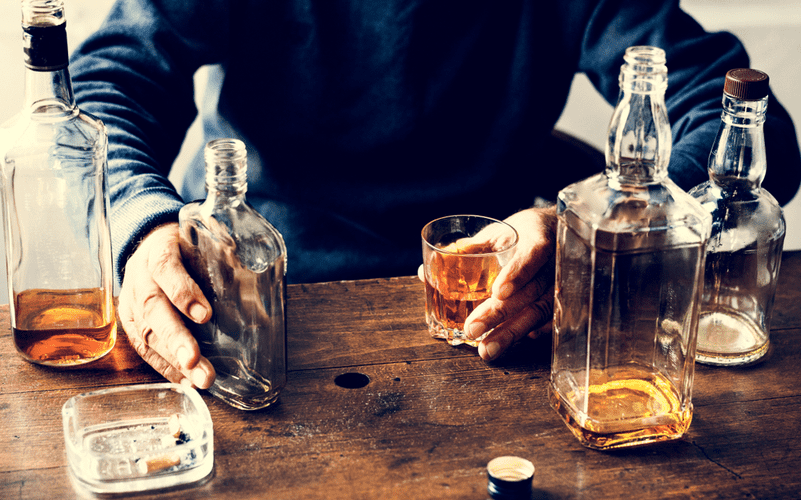
Understanding Alcoholic Nose: More Than Just Drinking
People who have noses that are inflamed, bulbous, and red often have rhinophyma, which might be a form of a condition known as rosacea. Caused by a group of A-streptococcus, this bacterial infection affects your facial skin and makes your nose look red. Bacteria can enter your skin through these https://ecosoberhouse.com/ breaks and result in a hot, raised, and painful red area of skin. However, not everybody will experience a red face when drinking, and not everybody that does is an alcoholic.
Scientific Understanding
- With extensive experience in the field of addiction treatment, Francisco is dedicated to helping individuals access the resources they need for successful recovery.
- Treatment for basal cell carcinoma usually involves surgery to remove the affected tissue.
- According to a 2018 National Survey on Drug Use and Health (NSDUH), alcohol-related causes contribute to the deaths of approximately 88,0005 each year.
- However, modern medical research has shown that while alcohol can exacerbate rosacea symptoms, it is not the primary cause.
Systemic treatments may be necessary for moderate to severe cases of rhinophyma or when topical treatments are insufficient. Oral antibiotics, particularly tetracycline-class drugs like doxycycline or minocycline, are commonly prescribed for their anti-inflammatory properties. Alcohol Use Disorder This gender difference may be related to hormonal factors, as men have higher levels of sebaceous gland activity and may be more likely to have severe forms of rosacea. Additionally, men may be less likely to seek early treatment for rosacea symptoms, allowing the condition to progress to more advanced stages. In extreme instances, a client may need hospitalization to receive intravenous fluids and nutritional assistance, in addition to pharmaceutical treatment for pain. A key to avoiding future episodes of pancreatitis is determining whether alcoholism is a contributing factor.