
Regular check-ins about feelings and recovery journeys also deepen understanding between partners and friends. Recognizing your value makes it easier to establish connections that respect and uplift you. Additionally, leaning on supportive networks provides the assurance needed as you relationships in recovery navigate recovery’s ups and downs.
How PHPs create a foundation for lasting recovery
One of the great things Drug rehabilitation about recovery and sobriety is that you have an opportunity to make new friends and create new types of connections. It can be scary and strange at first, but you may find amazing people who will support you during the process of recovery and maintaining sobriety. The friends and connections you make with others during recovery, can open your world up to different kinds of people and to a mindset of building yourself up and accountability. Also, when life gets difficult or challenging, having good friends who are also on the journey to recovery can provide the support you need for when something is challenging or rough. One of the critical aspects of maintaining healthy relationships in recovery is recognizing and ending toxic relationships.
Establish Trust with Family
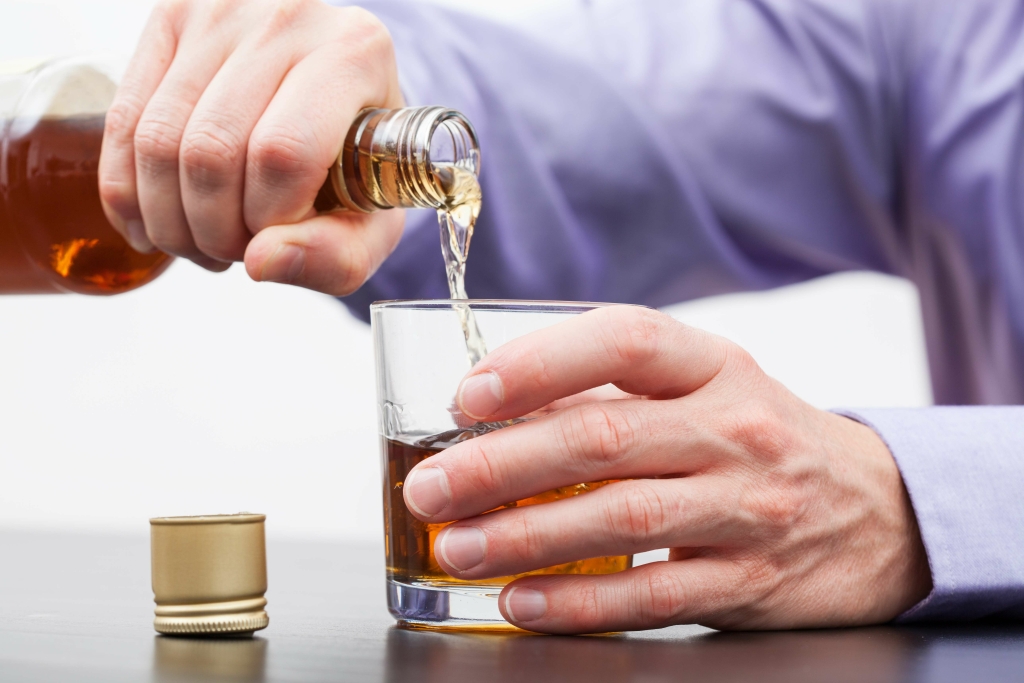
Recognizing when it’s time to walk away ultimately preserves one’s recovery journey. Empathy is vital in recovery, as it allows individuals to relate to the emotions and experiences of others. By nurturing empathy, one can foster deeper connections and support mutual healing. This emotional intelligence helps to create a safe space in relationships where both parties can express their feelings without judgment. This balance needs careful attention to personal growth while you nurture relationships that support your recovery. Studies show that social identity transformation links to successful long-term recovery.
How to recognize the signs of opiate addiction early
It can feel unfair to have to be the one to leave, but it’s important to prioritize your recovery and stick to your boundaries. You can explain your decision calmly and respectfully, using “I” statements (e.g., “I feel uncomfortable being around alcohol, so I need to leave”). This approach helps avoid placing blame on the other person while still honoring your own needs. Having a relationship with a God of your own understanding is a very personal matter. Therefore, we believe it would be intrusive of us to tell you how to develop a healthy relationship with your Higher Power.
Online groups help individuals in recovery from substance use connect with others in similar situations. This could involve physical activities, mindful practices like yoga or meditation, or simply allocating time for hobbies you enjoy. Establishing boundaries also involves regular check-ins to monitor progress and discuss any adjustments that may be needed.
- Note that good communication is a skill that develops over time—be patient while you learn and improve.
- Although rare, there are some work situations in which a person’s recovery status might possibly be held against him or her.
The Impact of a Supportive Environment in Residential Addiction Treatment
- Individuals must confront the emotional fallout from their actions during active addiction, requiring sincere apologies and acknowledgment of past hurts.
- At this time, developing relationships that provide mutual support and connection is essential.
- Good communication builds a bridge between your recovery identity and helps rebuild trust with loved ones.
- Overall, fostering an environment of support and understanding, while prioritizing sobriety, is essential for both partners’ growth in recovery.
- Developing emotional skills and resilience not only aids recovery but also encourages fulfilling relationships that sustain long-term well-being.
- Maintaining focus on personal growth, transparency, and accountability can significantly improve relationships post-addiction.
Unfortunately, people with addiction are inclined to isolate, effectively cutting themselves off from the health-enhancing effects of social and emotional support. This support becomes even more important in early recovery when people are struggling to get used to life without using alcohol and other drugs. At this time, developing relationships that provide mutual support and connection is essential. Twelve-step programs and other mutual-aid resources help serve this vital purpose. During the recovery process, individuals might find that some relationships undergo significant changes.